Whether you are waiting on guests or unexpected visitors drop by, you’ll seem like a surly host if you don’t answer the door because the doorbell doesn’t work. Don’t let your reputation suffer when fixing a doorbell is one of the easiest “do-it-yourself” (DIY) electrical projects of all! In just a few short steps, you will once again be known as the most attentive host on the block.
New Installation
I hereby declare this the DIY project for the complete and total non-DIYer. The easiest way to install a doorbell when there is not an existing one is to buy one of the wireless models. Talk about foolproof!
To get slightly more technical, a wireless doorbell is actually a transmitter. When a visitor pushes the button, a coded signal is sent to a receiver attached to the bell, and the doorbell chimes.
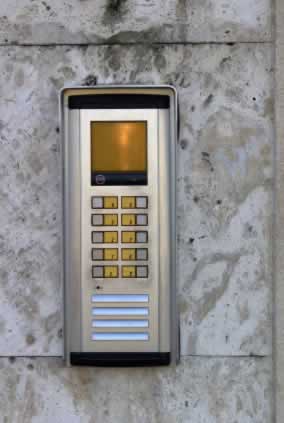 Some of the advantages of the wireless doorbells include:
- If you have a hard time hearing the doorbell (even when it’s working that is), you can purchase more than one chime unit and tune them all to the same button. This way, you can place chimes all around the house to hear the doorbell ring wherever you may be.
- It involves no wires and no more electricity than that of a small battery. The button unit requires a battery, but most of the indoor chime units can be plugged into an electrical outlet, ridding you of the need to remember to change multiple batteries.
- Although replacing a wired doorbell is a quick project by most DIY standards, this one is even quicker. Other than the time spent choosing between the brass or gold finish, this project can be accomplished during one commercial break.
Replacement Installation
If you are really pressed for time or not interested in dealing with wires, simply replace your wired doorbell with one of the wireless models mentioned above. Remove the old doorbell switch with a flat screwdriver, tape up the wires with electrical tape, and tuck them back in the doorbell hole. Affix the new switch to the doorframe, covering the hole. Indoors, plug in the chime unit(s).
However, even replacing a wired doorbell with a new wired model will typically not take more than a half-hour. The only materials needed are the new switch and a flat screwdriver. To make life easier or show off your well-stocked tool kit, you may also choose to have wire strippers handy.
Decide whether to turn off the power. Typically this is not a question, but the main commandment of electrical work. However, because a doorbell is a low-voltage device and operates on a mere 12 volts, you can do this repair without turning off the power. If you are uncomfortable with leaving the power on or suspect that your doorbell may run on a higher voltage, go ahead and turn off the power at the breaker box or service panel.
Remove the old switch. Take out the screws and set aside, as you may choose to reuse them. Disconnect the wires, securing them so they cannot slide back in through the hold, and discard the old switch.
Cut and trim wires, if necessary. If the termination ends look worn or frayed, pull the wire out so you have a bit of slack and trim the wires to equal length. Strip approximately a half-inch of insulation from each wire.
Connect wires to the new switch. Connect wires to the two screw terminals on the new switch. It doesn’t matter which wire goes to which switch—it will work either way. Tighten the screws.
Install new switch. Feed the wires back through the hole and push the new switch so it is flush against the wall or doorframe. At this point, if the power is on, the new switch should be working. If you splurged and purchased a lighted model, look to see if it is lit. Test it and listen for the chime.
If you chose to purchase a new chime unit as well, find and replace the old chime unit using the same process. Pay attention to which wire goes to which terminal, however, because in this case they do need to be connected to the appropriate terminals on the new chime unit.