It’s cold and you want to use your fireplace, but you’ve been having problems in the past with it smoking. You can correct your smoky fireplace issue with a few easy steps. Take a gander at these fireplace tips to correct any issues of a smoky one.
This list of tips should help you correct any problem with a fireplace that fills your house up with black silt smoke. Not only does it need to be done because you can’t use your fireplace, but smoke from a fireplace ruins walls, carpets and drapes. This type of smoke is almost impossible to get out of any fabric including your clothes. Besides it not healthy to breathe in the smoke and it’s especially true with anyone suffering from allergies of any kind.
- Stoke up the Fireplace Chimney. Be sure to open your damper. It’s usually found in front of the fireplace and it’s a simple switch to pull back. Next warm the chimney air by burning newspaper or any other type of safe material in the fireplace.
 The goal is to get the air warmer in the chimney so it’ll push the cold air out and away. Colder air pushes the warmer air down and smoky air can occur.
 - Use Seasoned Wood. Don’t burn green timber in your fireplace. Large fireplace logs tend to cause more smoke because it takes them a while to get hot enough to burn off residue. Small logs are the best choice.
- Open Windows. Sometimes there’s not enough draft in a room to catch the fireplace to light. It’s not as big of a problem if you happen to live in an older house. Older homes were not built as energy efficient as newer models are, there’s not much of a draft to circulate for the use of a fireplace. So open one or two windows to help your fireplace start burning.
- Purchase Fireplace Bricks. Even though you’re using a grate at times it doesn’t provide enough air circulation under the wood for it to catch. Smoke is the result that billows into your house. You can buy extra fireplace bricks to build up your grate to a higher level. This will help stop smoking by creating enough draft under the grate.
- Scale Down the Fireplace Opening. Extra large fireplaces have more of a problem heating an area. This is usually because the chimney is much smaller than the open hearth part. The trick is to balance the size with the chimney. Certain fireplace stores carry reducers that can be installed. Also look for a shield to catch any smoke that may circulate into the room
- Turn Down the Furnace. Smoky air can be created when there’s not enough air in the house. For example when it heats the air in the chimney the fan returns it to the house in the form of smoke when your furnace is on. So turn down the furnace to a level that’s acceptable for the other rooms, or if you can bear it turn it off.
- Clean out Pipes or Raise Them. Sometimes the pipes outside can get clogged from debris or even bird nests. At other times pipes are not long enough and need to be replaced. Cutting back high growing trees and branches will help cut down on smoke in the fireplace too because the air is not stopped from circulating, and pushed back into the house as smoke.
- Hire a Professional Cleaning Crew. Smoke from wood can give off a substance known as creosote. This is a natural by product of burning wood in your fireplace. Have your fireplace checked once a year and cleaned. Fireplace maintenance is a safety issue too.
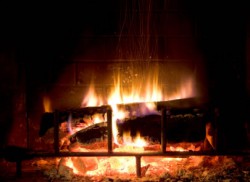 Your fireplace should be something for you to enjoy and not fret over. However fireplaces are like other things around the house that need care and attention. Remember just because it doesn’t run off electricity doesn’t mean that it can be ignored. It sits patiently for autumn to roll around and to provide you with warmth. In the mean time make sure your ready to go by inspecting it and having it cleaned. In the autumn and winter months you can sit back and enjoy the warmth of the fire and a smoke free house too.